A stroke is a serious medical emergency that requires immediate attention. Recognising stroke symptoms early and taking quick action can save lives and significantly reduce long-term complications. Unfortunately, many families fail to identify the warning signs in time, which leads to delayed treatment and increased risk of permanent damage.
Understanding the symptoms of stroke and knowing how to respond during an emergency is essential for every household.
What Is a Stroke?
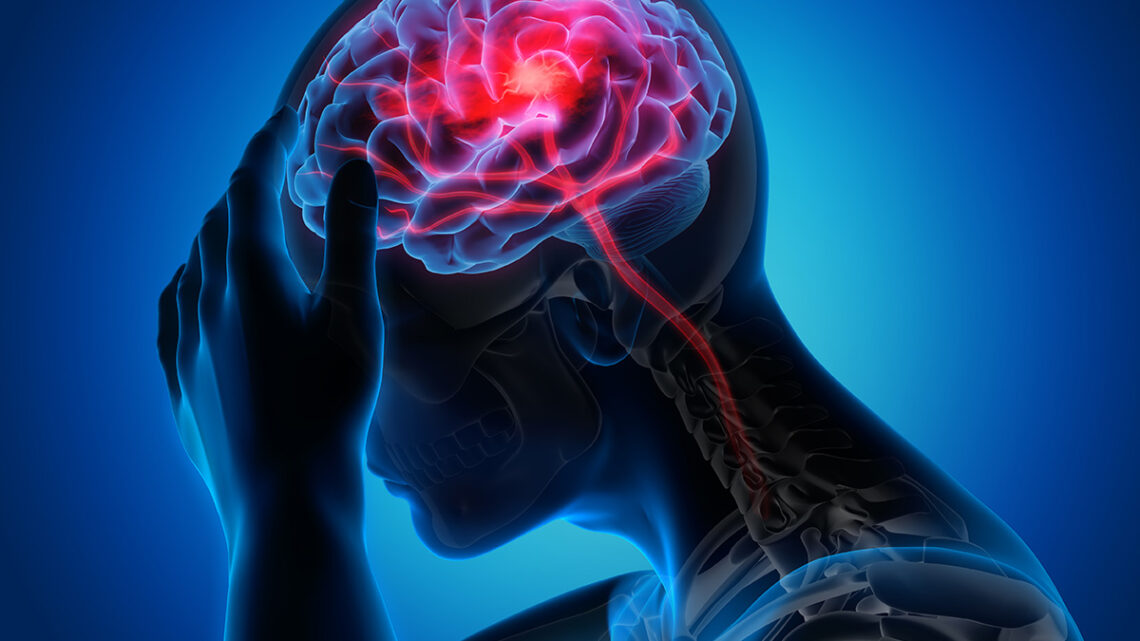
A stroke occurs when the blood supply to the brain is suddenly blocked or reduced. This interruption prevents brain cells from receiving oxygen and nutrients, causing them to stop functioning within minutes. Since the brain controls movement, speech, and memory, even a short delay in treatment can have serious consequences.
Strokes are mainly of two types: ischemic stroke, caused by a blockage in blood vessels, and hemorrhagic stroke, caused by bleeding in the brain. Both require immediate medical care.
Common Stroke Symptoms to Watch For
Stroke symptoms usually appear suddenly and should never be ignored. Some of the most common warning signs include:
- Sudden weakness or numbness on one side of the face, arm, or leg
- Difficulty speaking or understanding speech
- Facial drooping, especially on one side
- Loss of balance, dizziness, or difficulty walking
Other symptoms may include severe headache, confusion, or sudden vision problems. Even if these symptoms seem mild or temporary, urgent medical attention is necessary.
The FAST Method: A Simple Way to Identify Stroke
The FAST method is an easy and effective way to recognise the early signs of a stroke and take quick action.
F – Face Drooping
Ask the person to smile. If one side of the face droops or does not move properly, it may indicate a stroke.
A – Arm Weakness
Ask the person to raise both arms. If one arm feels weak, numb, or drifts downward, it could be a warning sign.
S – Speech Difficulty
Ask the person to speak a simple sentence. Slurred speech, difficulty speaking, or trouble understanding words can signal a stroke.
T – Time to Seek Emergency Care
If any of these symptoms are present, time is critical. The person should be taken to the nearest emergency hospital immediately.
What to Do During a Stroke Emergency
Quick and correct action during a stroke can make a major difference in recovery. If stroke symptoms are noticed:
- Seek emergency medical care immediately
- Note the time when symptoms first appeared
- Keep the patient calm and comfortable
Food, water, or unprescribed medicines should not be given, as this may worsen the condition.
Why Immediate Treatment Is Important
Early medical intervention helps reduce brain damage and improves the chances of recovery. Delayed treatment can result in paralysis, speech and memory problems, long-term disability, or even death. Prompt care by an experienced neurologist plays a crucial role in improving outcomes.
Stroke Care at Viransh Criticare Hospital
Viransh Criticare Hospital provides comprehensive stroke care supported by 24×7 emergency services, experienced neurology specialists, and advanced diagnostic facilities. Our multidisciplinary medical team ensures rapid evaluation and timely treatment for patients requiring neurology treatment in Navi Mumbai, especially in critical stroke emergencies. With a patient-focused approach, we are committed to delivering prompt and effective care to patients in Kharghar and Navi Mumbai.
Reducing the Risk of Stroke
Although not all strokes can be prevented, certain lifestyle changes can lower the risk. Managing blood pressure and diabetes, avoiding smoking, maintaining a healthy diet, staying physically active, and undergoing regular health check-ups can help protect brain and heart health.
When to Seek Immediate Medical Help
Emergency care is required if a person experiences sudden weakness on one side of the body, trouble speaking or understanding speech, facial drooping, vision problems, severe headache, or loss of balance. Acting quickly can save lives.
Final Thoughts
A stroke can occur without warning, but awareness and timely action can make a life-saving difference. Knowing the symptoms of stroke and understanding how to respond during an emergency empowers families to act confidently when every minute matters.
24×7 emergency stroke care is available at Viransh Criticare Hospital. Seek immediate medical attention if stroke symptoms are suspected.